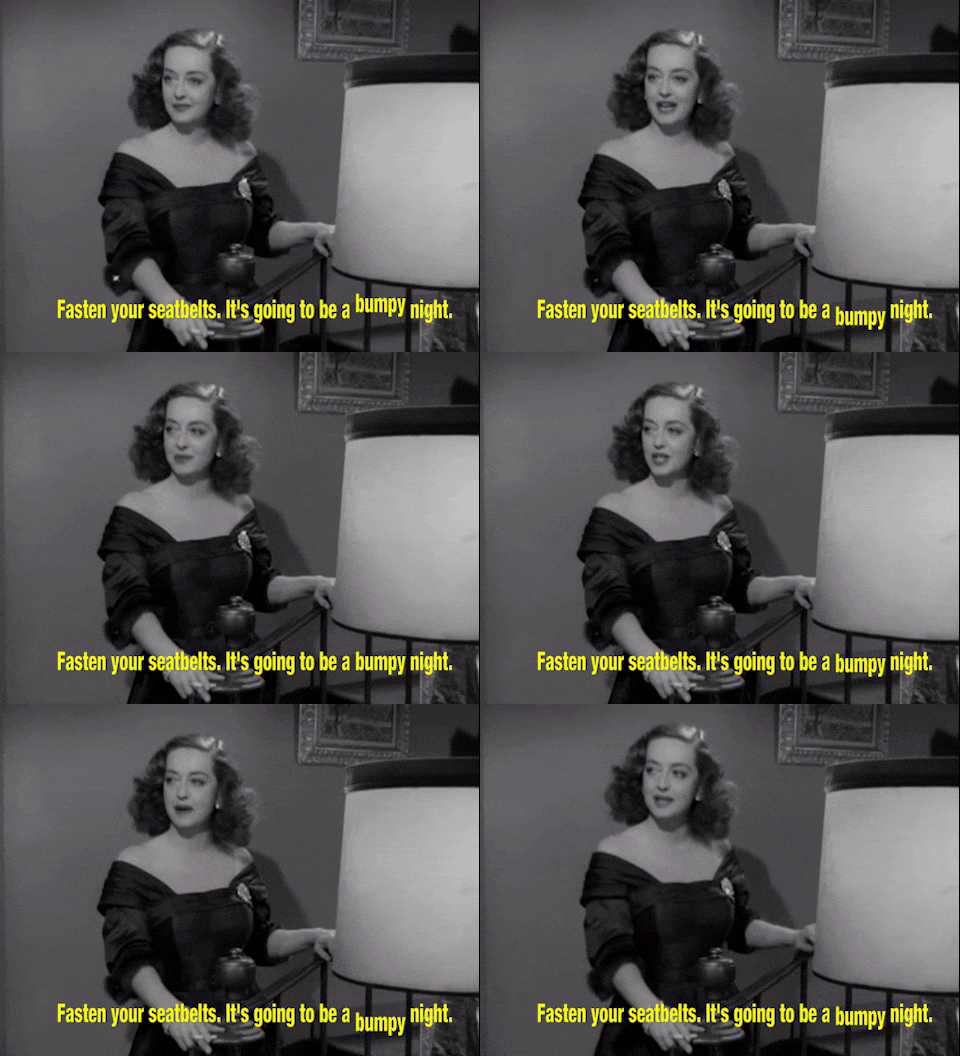
At newspaper offices all over the nation, writers and editors are likely to be busy composing two sets of Wednesday’s front pages for their respective publications — one that declares Kamala Harris the winner and one that declares Donald Trump the winner. There’s probably a third one in the works as well, declaring that the outcome of the Presidential race is still unknown.
By all measures, this has been an incredibly tight contest, one that is closer than any race in recent memory and one whose polling has shown it to be within the margin of error for almost the entire time since Kamala Harris became the candidate.
In these last weeks of the campaign, both candidates have been working the margins, trying to capture the attention — and the votes — of the remaining undecided or unenthusiastic voters.
Both campaigns have been portraying their candidates as being confident in the outcome of the election. But they can’t both be right.

There are so many unanswered questions about the Presidential race. I raise these questions not to increase anxiety. (We’ve all been dealing with plenty of that already.) It’s more of a reality check for myself to set expectations for Election Day and especially for Election Night and the days the follow. Here goes:
Are current polling methods reliable? For example, are young and first-time voters able to be reached by traditional polling methods? Has polling been able to capture the elusive Harris-supporting wives of Trump-supporting husbands? Are the widely accepted averages of polls skewed by the inclusion in those averages of unreliable or biased polls?
Will first-time eligible voters show up in greater numbers than anticipated? Young voters have historically been less likely to show up at the polls than other demographic segments. But there currently seems to be more awareness of issues that are important to young voters — the environment, reproductive rights, LGBTQ+ rights, gun safety — than in previous elections. Is that a significant enough change to affect the outcome of the election?
How much will the historic nature of this race drive more people to the polls? Does the fact that Kamala Harris could become the first female president inspire more people to vote? Does the fact that the other candidate is a twice-impeached convicted felon keep certain voters away from the polls?
Will the disparities in the campaigns’ ground games make a difference? The Harris campaign has an unprecedentedly massive ground game with hundreds of local campaign offices and hundreds of thousands of volunteers. The Trump campaign contracted out its ground game to the likes of Elon Musk and Charlie Kirk — folks with virtually no relevant experience — whose approach has been to pay canvassers to do the campaign legwork.
How much will the race be affected by the Dobbs decision? Will the trend of electing pro-choice candidates and ousting anti-abortion candidates in the elections since the SCOTUS ruling on Dobbs v. Jackson continue? Is reproductive freedom still the motivating issue that the non-stop political ads portray it to be?
Will Trump’s 34 felony convictions and 80+ pending felony charges diminish the enthusiasm of significant numbers of his supporters? Or are those criminal charges already factored into existing polling? Has Trump’s criminal history fallen off the radar with voters?
What is the effect of Trump’s rally at Madison Square Garden and his bizarre final week of campaigning? Will the overt racism and misogyny increase or decrease support for Trump?
Have prominent Republicans who oppose Trump convinced other Republicans to follow their lead? Do voices like Liz Cheney’s and Adam Kinzinger’s truly hold the kind of sway that Democrats hope they do? Are enough so-called “traditional Republicans” convinced to abandon party loyalty to save our democracy?
Is voter intimidation a factor? Will the prospect of armed unofficial poll watchers at polling places dissuade voters from showing up to vote?
What effect will voter suppression efforts by Republicans have? Will the purging of voter rolls, spreading of misinformation, and closing of polling stations in heavily Democratic districts scare tactics work in Republicans’ favor?
Will Trump declare himself the winner before all votes are counted? We almost can be guaranteed he will. But what will the effects of that declaration be?
Will Trump accept the results of the election? He has a lifetime of criminal and civil charges awaiting him, along with potential incarceration, so he has incentive to fight an election loss with every fiber of his being. Does the Trump team have more heretofore unseen tricks up its sleeve if Trump loses?
Will post-Election Day legal maneuvering change the outcome? Both Republicans and Democrats have teams of high-powered attorneys working to create challenges to election outcomes and to defend against such challenges. Will the election be decided by voters or by lawyers?
If/when there are legal challenges to results, what will be the effects of a Supreme Court with a conservative bias? The SCOTUS decision in Bush v. Gore, more than a month after Election Day in 2000, abruptly halted the counting of votes in a state with the deciding 25 Electoral College votes but with a popular vote difference of only 327 votes. In a race as close as the 2024 contest, could such an occurrence happen again?
We may get a few of these questions answered on Election Night. But it’s more likely that many of these questions will not be answered for some time. The only real surprise will be if there are no surprises.